
Eggshell vs satin vs flat: best paint finish for interior walls
Room-by-room comparison of flat, eggshell, satin, semi-gloss and gloss to choose the best paint finish for interior walls, plus primer and contractor tips.
Eggshell vs satin vs flat: best paint finish for interior walls
Quick answer and how to use this comparison
If you need a single short answer, eggshell or satin is the best paint finish for interior walls in most homes because these sheens strike a practical balance between appearance and washability. Consumer guidance and trade references recommend matching sheen to room function and wall condition, and they show how eggshell and satin generally work best for living spaces while satin and semi-gloss suit moisture-prone, high-traffic areas (Headwaters Painting), (Consumer Reports).
Read on for a quick primer on each sheen, room-by-room recommendations, a simple decision checklist, notes on primers and paint type, and clear signs you should call a pro like Cornwall Painting for repairs or large projects.
Paint sheen explained: flat, eggshell, satin, semi-gloss and gloss
What the numbers mean and why sheen matters
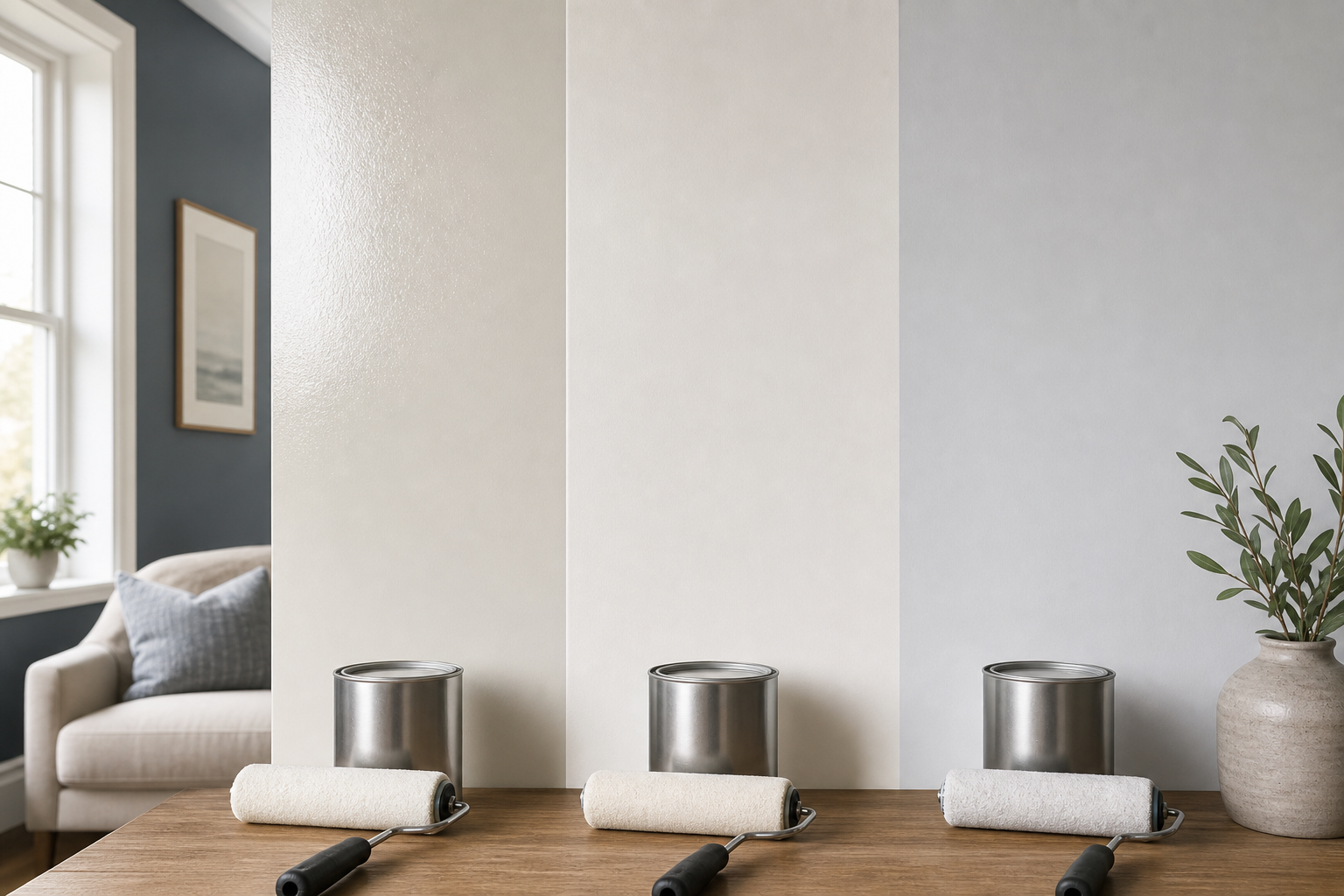
Sheen describes how much light the finished paint reflects. Lower sheens look softer and hide surface flaws, while higher sheens reflect more light and are easier to wipe clean. That trade-off is the core decision when choosing the best paint finish for interior walls.
Flat
Flat paint has virtually no reflectivity and produces a soft, velvety appearance. It hides minor imperfections so it is commonly recommended for ceilings and low-traffic walls. Flat is the least washable of the common interior sheens, so expect more careful touch-ups over time (Behr Canada).
Eggshell
Eggshell gives a low, warm sheen that looks slightly satiny but remains subtle. Many contractors recommend eggshell as the best compromise for living rooms and bedrooms because it hides small flaws better than satin while offering improved cleanability compared with flat (Headwaters Painting).
Satin and semi-gloss
Satin adds a noticeable soft sheen and increases scrub-resistance, while semi-gloss is even shinier and highly washable. These finishes resist stains and fingerprints, making them suitable for kitchens, bathrooms, laundry rooms and trim. Higher sheens can show surface imperfections more clearly in strong lighting, so surface preparation matters (Home Depot Canada), (Consumer Reports).
Gloss
High gloss produces a mirror-like finish that highlights edges and architectural detail. It is extremely durable and easy to clean, but it also magnifies flaws and is normally reserved for doors, cabinetry and trim rather than large wall areas.
Room-by-room picks: recommended sheen and why
Living rooms, dining rooms and bedrooms
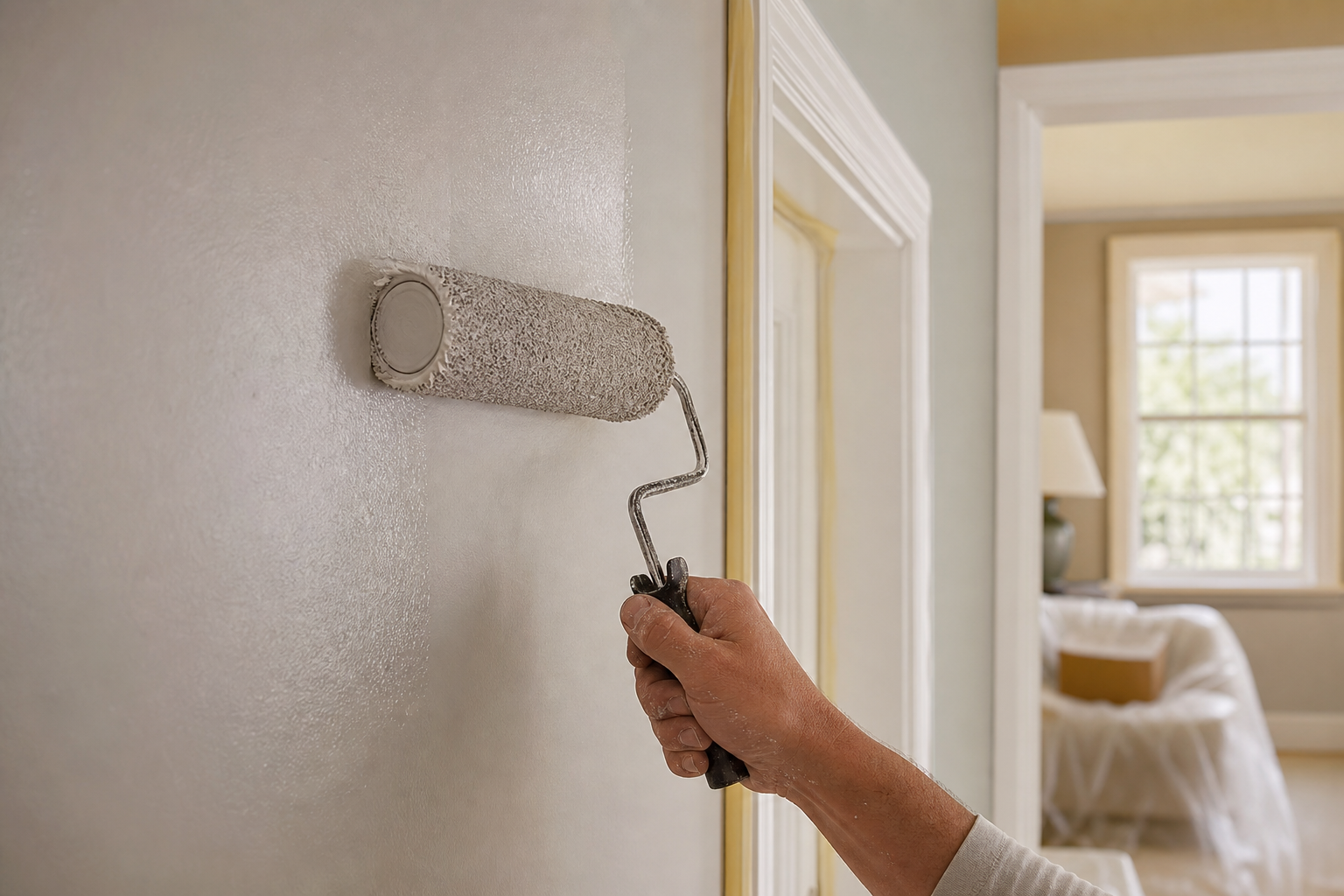
Recommended: eggshell, or satin if you need more washability. Choose eggshell for a soft, elegant look that hides small flaws and reduces light glare. Use satin when walls are exposed to occasional marks, children, pets, or frequent cleaning. Test a swatch on your wall and view it at different times of day; sheen becomes more visible under incident light (Headwaters Painting).
Kitchens, bathrooms and laundry rooms
Recommended: satin or semi-gloss. These areas need moisture resistance and frequent cleaning. Satin typically performs well on walls and is easier to live with than semi-gloss if you want a softer look. Semi-gloss is best for splash-prone spots or where scrubbing is frequent. Ensure good ventilation to protect coatings from excess humidity (Home Depot Canada).
Hallways, stairwells and high-traffic areas
Recommended: satin or eggshell. Pick satin for the most durable, easy-to-clean finish where scuffs and fingerprints are common. Eggshell is acceptable in lower-traffic corridors where a warmer, less reflective surface is preferred. Consumer guidance recommends balancing durability with appearance when these zones serve as daily thoroughfares (Consumer Reports).
Ceilings, trim, doors and cabinetry
Recommended: ceilings in flat or matte, trim and doors in semi-gloss or gloss, and cabinetry in satin or semi-gloss depending on the look you want. Flat on ceilings reduces glare and hides texture. Trim and doors benefit from the washability and crisp edge definition of higher sheens, while cabinets often sit between satin and semi-gloss for durability and surface appeal (Behr Canada).
Decision checklist: match sheen to wall condition, lighting and use
- Are walls in good condition or do they have dents, texture or repairs? If the latter, prefer flat or eggshell to mask flaws.
- How much cleaning will the wall need? Choose satin or semi-gloss for frequent cleaning and eggshell for moderate cleaning needs.
- Is the room humid or prone to splashes? Pick satin or semi-gloss and confirm ventilation.
- Do you want a modern, reflective look or a soft, low-sheen finish? Higher sheen for modern, lower sheen for classic.
- Will you change from a dark to a light colour or vice versa? Plan to prime for coverage and colour uniformity.
Primer, paint base and formulation: latex, oil and VOC considerations
Latex, or water-based acrylic paint, is the most common and practical choice for interior walls. It cleans up with water and dries faster than oil-based options. Use a primer on new drywall, for dramatic colour changes, or for stained surfaces to ensure adhesion and even coverage (This Old House).
Oil-based paints still have niche uses for metal trim or certain cabinetry finishes, but modern acrylics and alkyd waterborne products offer similar durability with lower VOCs and easier cleanup. If low or no VOCs are important, choose a premium eco-friendly product and confirm performance for the selected sheen (Behr Canada).
When to call a professional and what to expect from Cornwall Painting

Call a professional when walls need more than paint. Typical contractor-level reasons include drywall repairs, extensive sanding, stain or smoke remediation, popcorn ceiling removal, high-volume spray finishing for new construction, or precise colour matching across rooms. Cornwall Painting lists surface preparation, drywall repair, popcorn ceiling removal and cabinet refinishing among its interior services, and can advise on the best sheen given your wall condition and maintenance needs (Cornwall Painting).
Expect a professional crew to evaluate substrate condition, recommend primer and sheen, perform necessary repairs, and follow with two finish coats for consistent appearance. For multi-unit or builder projects, professionals also coordinate scheduling and protect floors and furnishings to minimize disruption.
Local considerations for Victoria and nearby BC communities
Coastal homes around Greater Victoria can experience higher humidity in bathrooms and basements. That makes satin or semi-gloss more appropriate in moisture-prone rooms. If you manage strata, rental units or a new-build in Victoria, Langford, Colwood, View Royal, Esquimalt, Sooke or Sidney, plan maintenance cycles with a contractor who understands local conditions and ventilation needs. Cornwall Painting serves Greater Victoria and surrounding areas and can advise on timing and finishes that withstand coastal climate conditions (Cornwall Painting), (Home Depot Canada).
Final decision steps and five questions to ask before you buy or book
Before purchasing paint or booking a crew, complete these final steps.
- Test a 12" x 12" patch of your top sheen and colour on different walls and view at night and day.
- Decide where higher-sheen trim or doors will contrast with softer wall sheens.
- Confirm whether primer is required for coverage, adhesion or stain blocking.
- Get a written quote that specifies brand, sheen, number of coats and surface prep.
Five practical questions to ask a painting contractor:
- Which sheen do you recommend here and why?
- Will you repair or skim damaged drywall before painting?
- What primer and paint brands do you use for the recommended sheen?
- How many finish coats are included and what is your cleanup process?
- Do you offer colour-matching and warranty or satisfaction guarantees?
Frequently asked questions
What sheen is best for interior walls if I want the easiest cleaning?
Satin or semi-gloss is easiest to clean because they resist stains and scrub well. Satin is often the preferred compromise for walls that need frequent wiping without the high reflectivity of semi-gloss (Home Depot Canada).
Will a higher sheen show wall imperfections and how should I choose if my walls are damaged?
Yes. Higher sheens reflect more light and make flaws more visible. If your walls have dents or textured repairs, choose flat or eggshell and schedule repairs or skim-coating before using satin or semi-gloss (Behr Canada).
Do I need to prime before changing from dark to light paint or when switching sheen?
Primer is recommended for big colour changes and when switching to a higher-sheen finish to ensure even adhesion and true colour. New drywall also benefits from primer to seal the surface (This Old House).
Are water-based (latex) paints suitable for bathrooms and kitchens in Victoria homes?
Yes, modern latex and waterborne acrylic paints are suitable for interior kitchens and bathrooms when you choose a moisture-resistant sheen such as satin or semi-gloss and ensure adequate ventilation (This Old House), (Home Depot Canada).
What questions should I ask my painting contractor about sheen, prep and warranties?
Ask about the recommended sheen and why, required surface repairs or priming, the paint brand and VOC level, the number of finish coats, cleanup and protection procedures, and any satisfaction guarantees. Cornwall Painting details surface preparation and a full-service approach on their site if you want a contractor who handles repairs and finishing (Cornwall Painting).
Ready to decide?
For a free consultation and a detailed quote that includes surface assessment, primer recommendations and a sheen selection tailored to your home or building, contact Cornwall Painting.